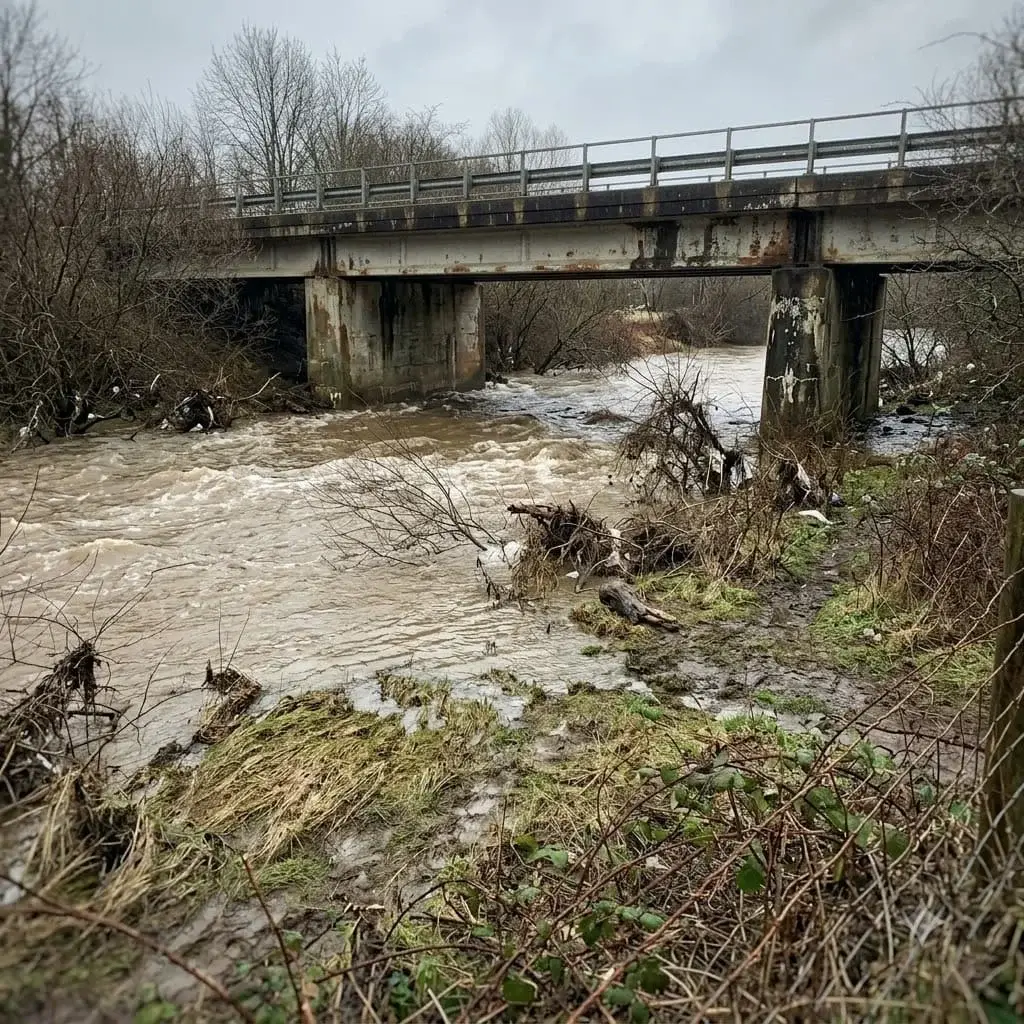
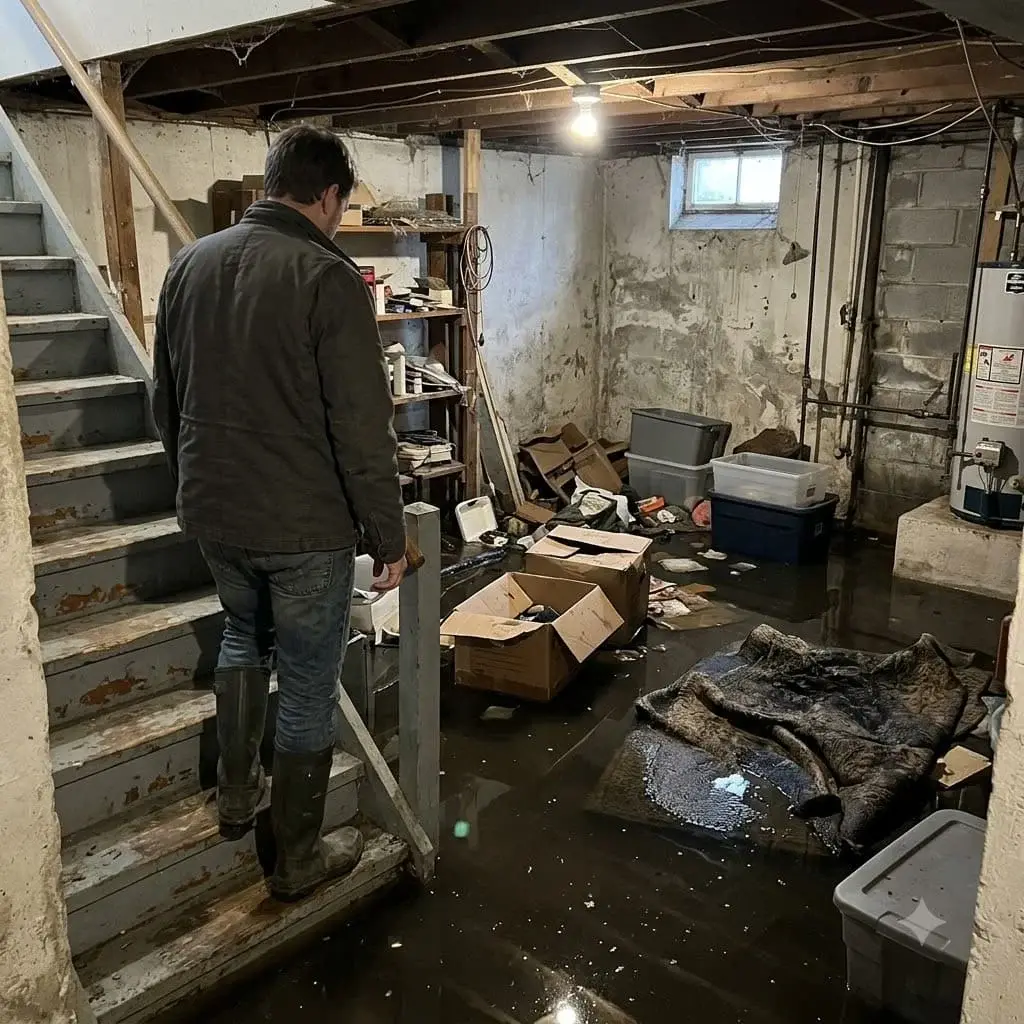
The EPA says that if a flooded area cannot be dried within 24 to 48 hours, you should assume mold is growing. The first day after a basement floods sets how big the cleanup gets. After the April 17, 2026 flash flood sent storm runoff into Janesville basements, cleanup companies worked around the clock for days, and the National Weather Service reported numerous water rescues in the Janesville area. Here is what to do, in order, if water is in your basement now.
First: Make It Safe
Safety comes before anything else, which means checking for electrical and gas hazards. Standing water and live electricity are a deadly combination. If water is near outlets, the panel, or appliances, stay out of the water and turn off power only if the breaker can be reached without stepping into water. If it cannot, call the utility or an electrician. If you smell gas, leave the house and call the gas utility from outside.
Do not enter a flooded basement if the water is deep or the floor is not visible. Water hides hazards, and a basement full of water puts load on the walls.
Second: Find Out What the Water Is
The source sets the risk. Clean groundwater or rainwater is a drying problem. Water that came up through a floor drain or toilet may be sewage, and it carries bacteria.
Treat sewage as contaminated. Do not handle it without gloves, boots, and protection, and call a professional for that cleanup. Contaminated water on porous materials like carpet and drywall means those materials come out rather than get dried.
Third: Document Before You Move Anything
Take photos and video of the water line, the damaged items, and where the water entered. Write down the date and time and what you see. An insurer will ask, and the record supports whatever the policy covers.
Standard homeowners policies often exclude groundwater, flood, and sewer backup, so ask your insurer what applies before throwing anything away, and keep damaged items where possible.
Fourth: Remove the Water and Dry Fast
First, remove standing water with a pump or wet vacuum, working down in stages if the water is deep so the walls do not take a sudden pressure difference. Second, run fans to move air across wet surfaces and a dehumidifier to pull moisture from the air. Third, take out anything wet that cannot be cleaned and dried completely, such as soaked carpet, padding, and cardboard. Fourth, check back over the first two days, because the EPA advises assuming mold if a flooded area is not dry within 24 to 48 hours.
Fifth: Trace Where It Came In
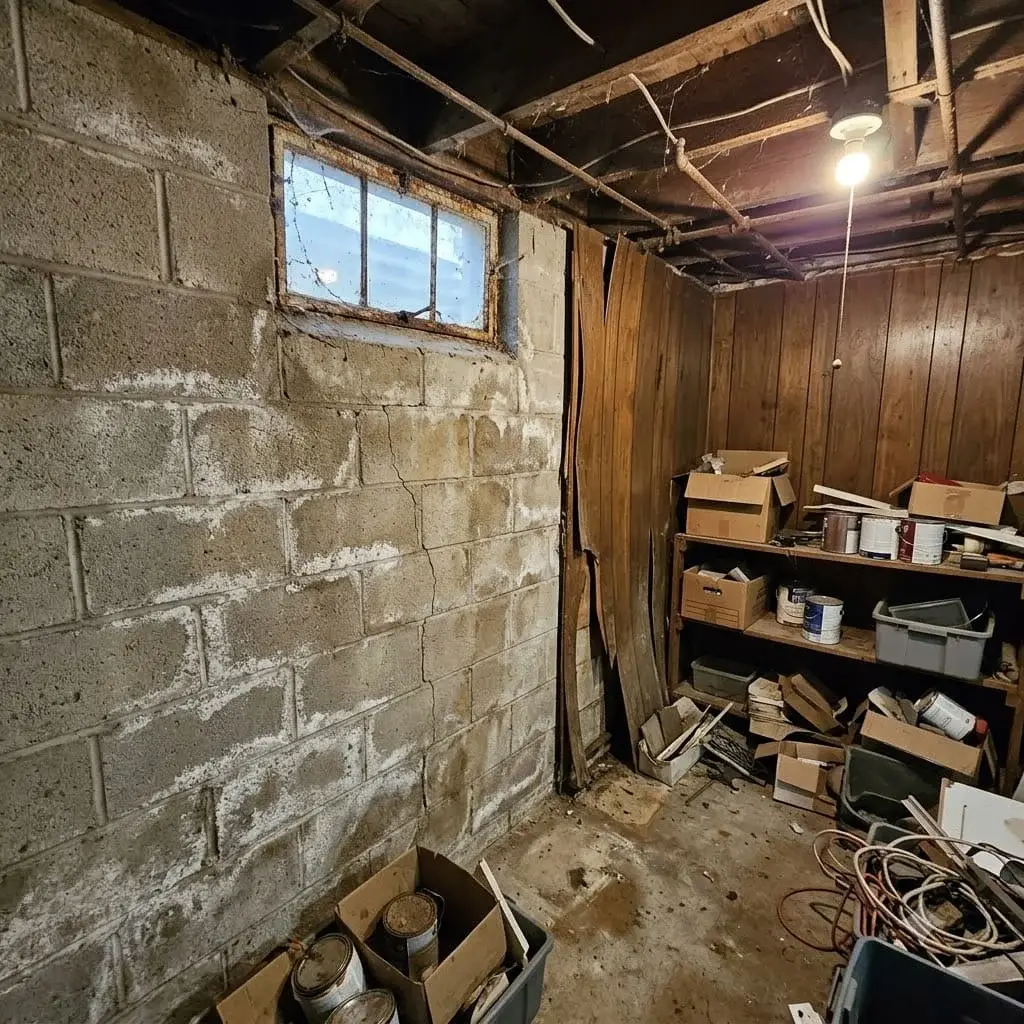
Drying fixes today's problem. Tracing the entry point fixes the next flood. Check the floor-wall seam, cracks, the base of block walls, window wells, and floor drains, and note where water first appeared, because the same entry points let water in each time.
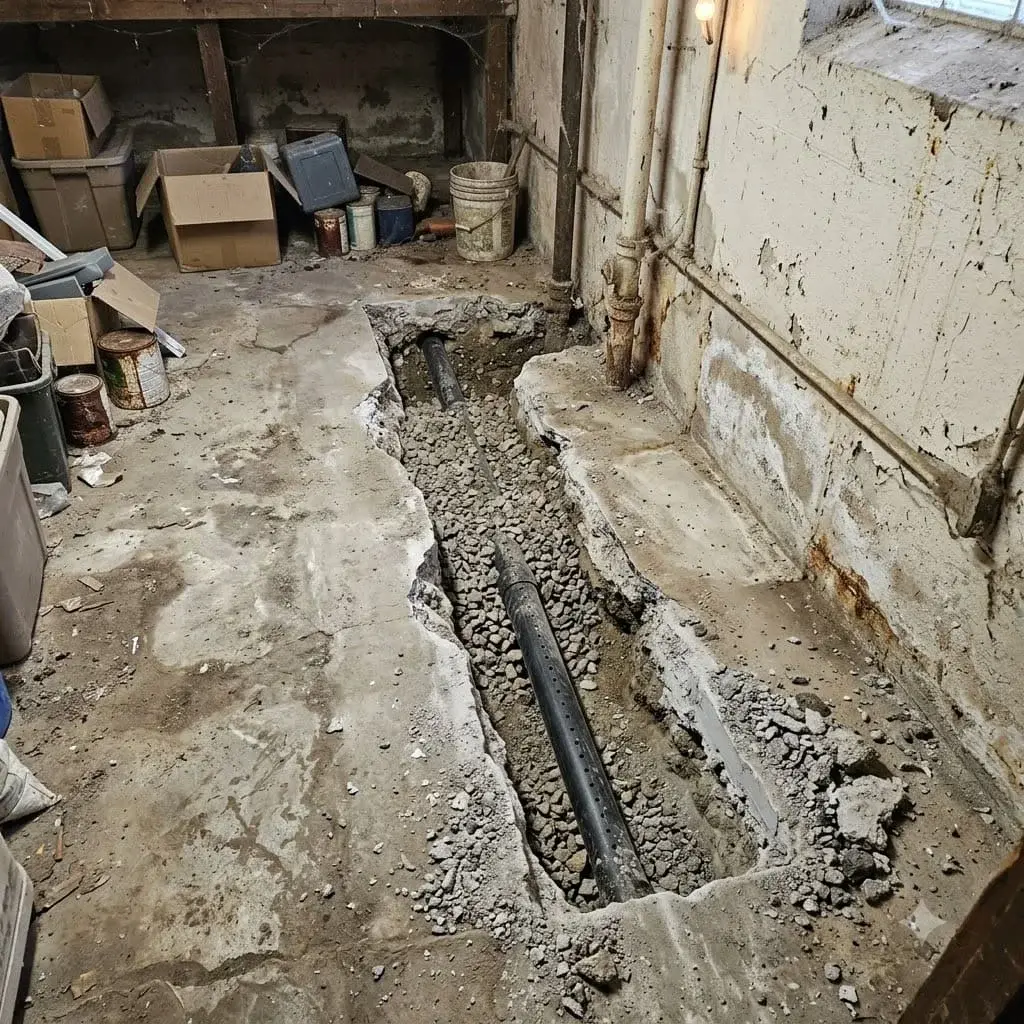
Interior drainage with a sump pump handles water arriving at the floor joint, and a battery backup keeps the pump running through an outage. Walls that leaked through their face or cracked need exterior waterproofing or wall repair. For the local flood picture, see this guide to Janesville flooding and the Rock River. Call 608-740-5923 to reach a local provider.
Frequently Asked Questions
What should I do first when my basement floods?
Make the basement safe first by checking for electrical and gas hazards. Stay out of standing water if outlets, the panel, or appliances are submerged, and turn off power only if the breaker can be reached without stepping in water. If you smell gas, leave and call the gas utility from outside. After that comes removing the water, documenting the damage, and starting to dry the space.
How long do I have to dry a flooded basement?
The EPA says to dry a flooded area within 24 to 48 hours and to assume mold is growing if that is not possible. Remove standing water, run fans and a dehumidifier, and take out materials that cannot be cleaned and dried completely, like soaked carpet and padding. The faster a basement dries, the less mold gets a foothold in the walls and framing.
Should I take photos before cleaning up?
Take photos and video before moving or throwing anything away. Record the water line, the damaged items, and where the water came in, with the date and time. The record supports an insurance claim for whatever the policy covers. Ask the insurer what applies before discarding items, and keep damaged belongings where that is possible.
Is a flooded basement covered by homeowners insurance?
Most homeowners insurance excludes flood and groundwater, and many policies exclude sewer and drain backup unless an endorsement is added. A sudden internal failure, like a burst pipe, is more often covered. The federal flood insurance program's FloodSmart site states that most homeowners insurance does not cover flood damage. Ask your insurer which cause applies to the loss.
How do I stop my basement from flooding again?
Stopping a repeat flood means finding where the water came in and closing that path. Interior drainage and a sump pump with a battery backup handle groundwater at the floor joint and the base of the walls. Exterior waterproofing handles walls that leak through their face. Grading and downspouts reduce surface runoff, and sewer backups need a licensed plumber. Call 608-740-5923 to reach a local provider.
Flooded in Janesville? Call for an Inspection
Once the water is out and the basement is drying, call 608-740-5923 to reach a local provider who can find where the water came in. See the page on basement waterproofing in Janesville for how each repair method works.